Bongwonsa (봉원사) is a long-established traditional Buddhist temple in Bongwon-dong, Seodaemun-gu, Seoul. Although it sits in the city, it is known as a temple with a thousand-year history. It was registered as a traditional temple in 2011.
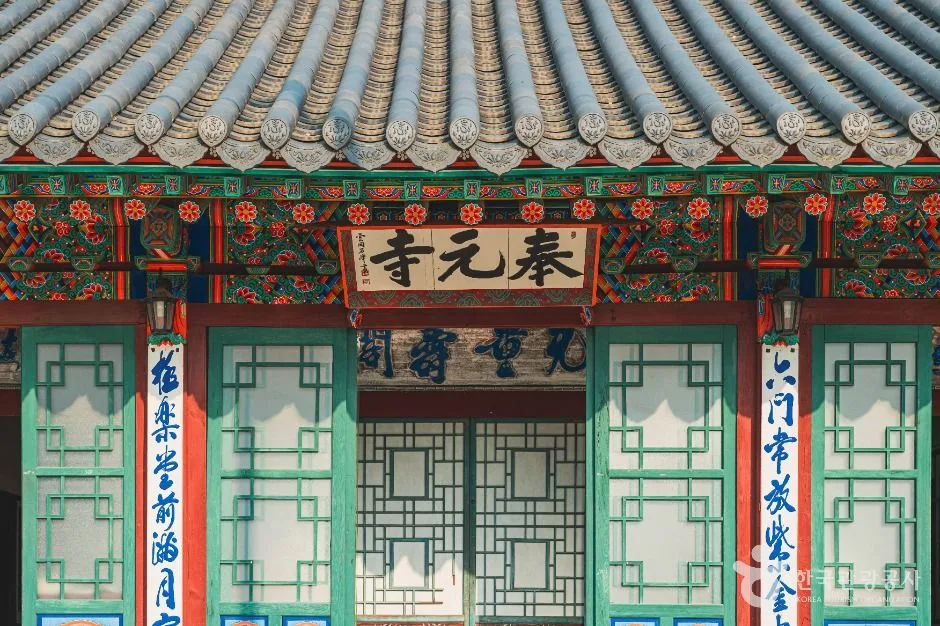
About Bongwonsa Temple
In July 2014, the temple's large hanging Buddhist painting of Amitabha (gwaebul) and its Buddhist bell were registered as Seoul Tangible Cultural Heritage.
Bongwonsa promotes Yeongsanjae, a traditional Buddhist ritual, both in Korea and abroad, and works to pass it on. Yeongsanjae is listed by UNESCO as an Intangible Cultural Heritage of Humanity. Organizations for preserving the ritual are based at the temple, including the Yeongsanjae Preservation Society and Okcheon Beomeum University, which teaches beompae (Buddhist chanting).
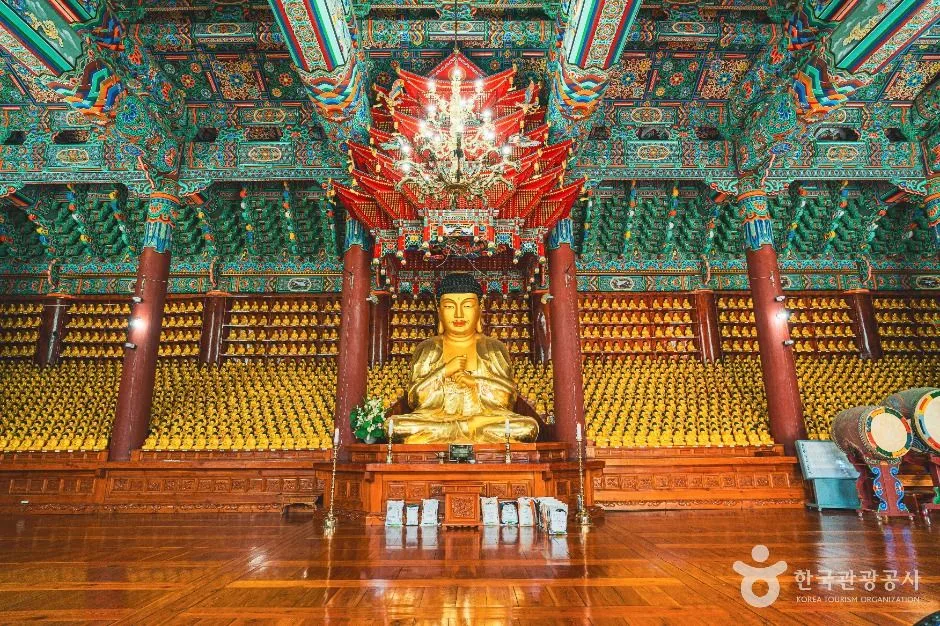
Things to See and Do
- Temple halls: Wooden halls decorated with dancheong, the colorful traditional paint on Korean temple buildings.
- Main hall: A golden Buddha statue, as shown in the photo above.
- Cultural heritage: The Amitabha hanging painting and the Buddhist bell, both Seoul Tangible Cultural Heritage.
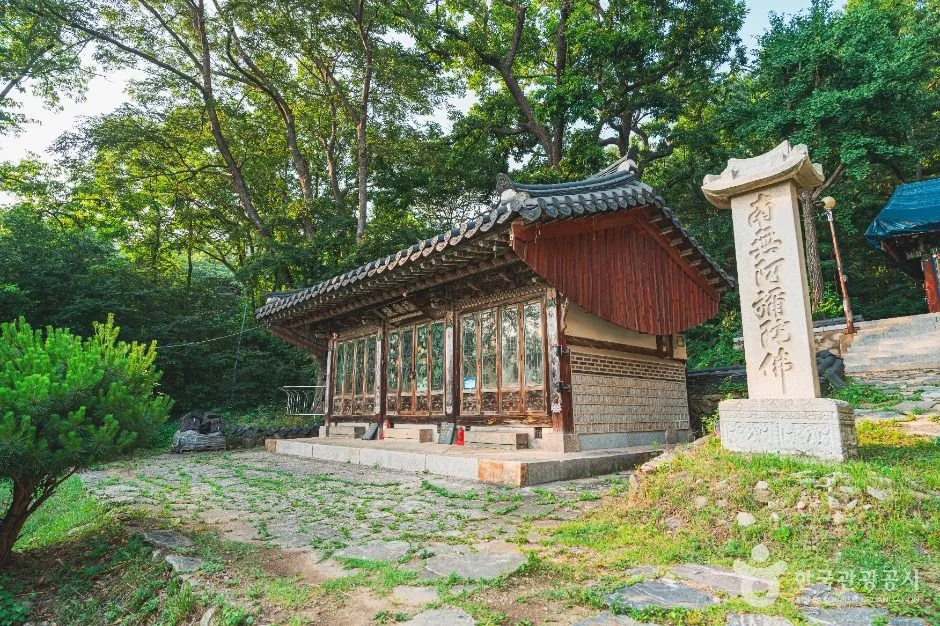
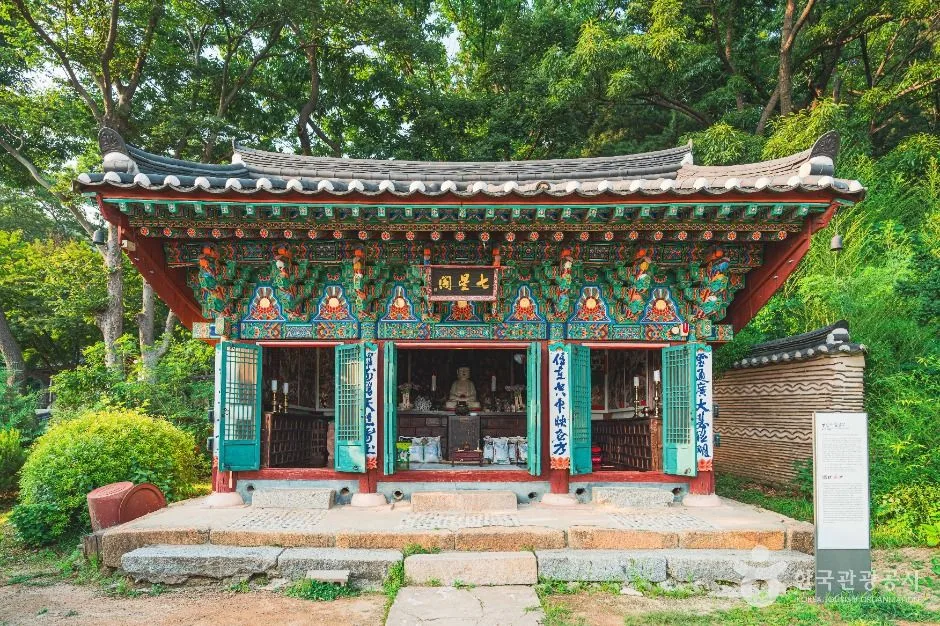
Before You Go
- For detailed visiting hours and closing days, search on Google or another search engine.
- It is an active temple where regular Buddhist services and meetings are held.
Basic Information
| Name | Bongwonsa Temple (봉원사) |
| Address | 120 Bongwonsa-gil, Seodaemun-gu, Seoul 서울특별시 서대문구 봉원사길 120 |
| Hours | Search on Google or another search engine |
| Closed | Search on Google or another search engine |
| Contact | +82-2-392-3007 |
| Website | bongwonsa.or.kr |
How to Get There
- Area: Bongwonsa-gil in Bongwon-dong, Seodaemun-gu. Use the map below to find a bus or taxi route.
This post was prepared using Korean public data (Korea Tourism Organization), but some details may differ from the current situation. Please use it only as a reference for your trip to Korea, and if you need more information, search for the title of this post on Google or another search engine.
Source: Korea Tourism Organization (TourAPI), KOGL Type 1